
Can refractory ceramic fiber blanket get wet?
- 26 Feb, 2025
- Industry
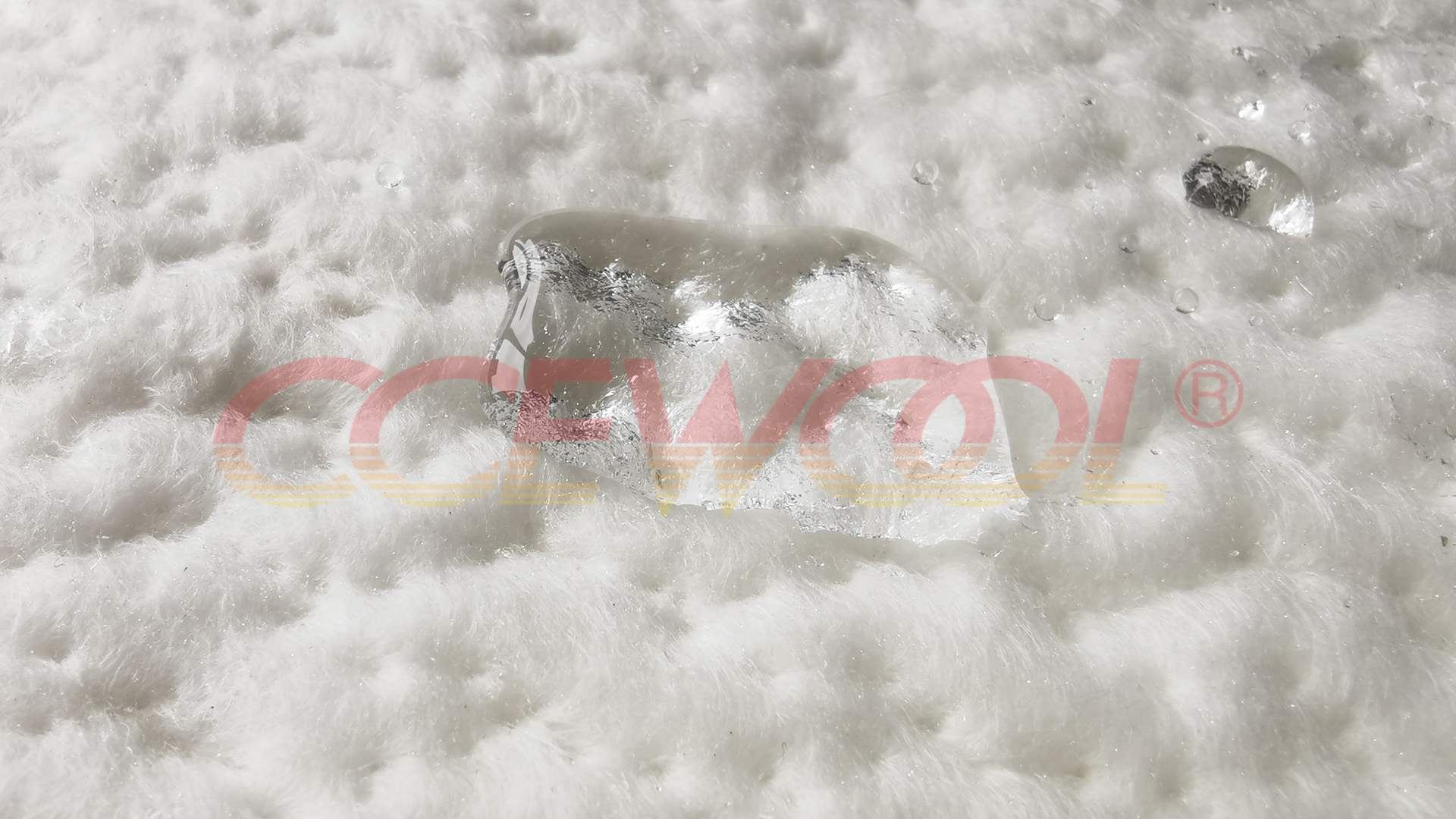
In high-temperature applications, the Refractory Ceramic Fiber Blanket is a widely used insulation material, extensively applied in industries such as metallurgy, chemicals, and aerospace. Its excellent high-temperature insulation properties make it an indispensable material for many high-temperature environments.
Ceramic fiber blankets are made from high-temperature-resistant ceramic fibers, offering excellent thermal insulation at elevated temperatures. However, when these fiber blankets are exposed to a humid environment, they absorb moisture, which increases the thermal conductivity and reduces the insulation efficiency. Moisture not only accelerates the corrosion of the material but can also cause the insulation to deteriorate or break down, impacting the long-term stability of the equipment. This moisture issue, particularly in some industrial settings, can pose serious safety risks.
CCEWOOL® Water-Repellent Refractory Ceramic Fiber Blanket: An Innovative Solution to Moisture Problems
To address the issue of moisture absorption and reduced thermal conductivity in traditional ceramic fiber blankets, CCEWOOL® has introduced the CCEWOOL® Water-Repellent Ceramic Fiber Blanket. This product is treated with a unique process that imparts excellent water-repellent properties, effectively preventing moisture infiltration and ensuring the insulation performance and safety of the equipment.
Advantages of CCEWOOL® Water-Repellent Refractory Ceramic Fiber Blanket:
Excellent Water-Repellent Properties: It uses a solvent-based high-temperature nano water-repellent material as a surface treatment, combined with a unique double-side needle-punched forming process, giving the entire fiber blanket strong water resistance.
Enhanced Thermal Insulation Performance: The water-repellent treatment effectively prevents moisture absorption, ensuring that the ceramic fiber blanket's insulation performance remains stable in various environments.
Strong Corrosion Resistance: The treatment effectively inhibits the corrosive effects of moisture on the fibers, prolonging the product’s service life and reducing the frequency of replacements.
High Strength: The use of high-tensile needle-punching technology increases the mechanical strength of the fiber blanket, allowing it to better withstand high-temperature environments.
CCEWOOL® Water-Repellent Refractory Ceramic Fiber Blanket is widely used in various high-temperature insulation applications, such as metallurgical furnaces, industrial equipment, aerospace, and high-temperature pipelines. It effectively solves the moisture-related thermal conductivity issues of traditional ceramic fiber blankets, making it the ideal choice to ensure the stable operation of equipment while saving energy and reducing costs.


