
Why Bio Soluble Fiber Blanket is the Future for Boilers & Incinerators?
- 23 Jul, 2025
- Industry
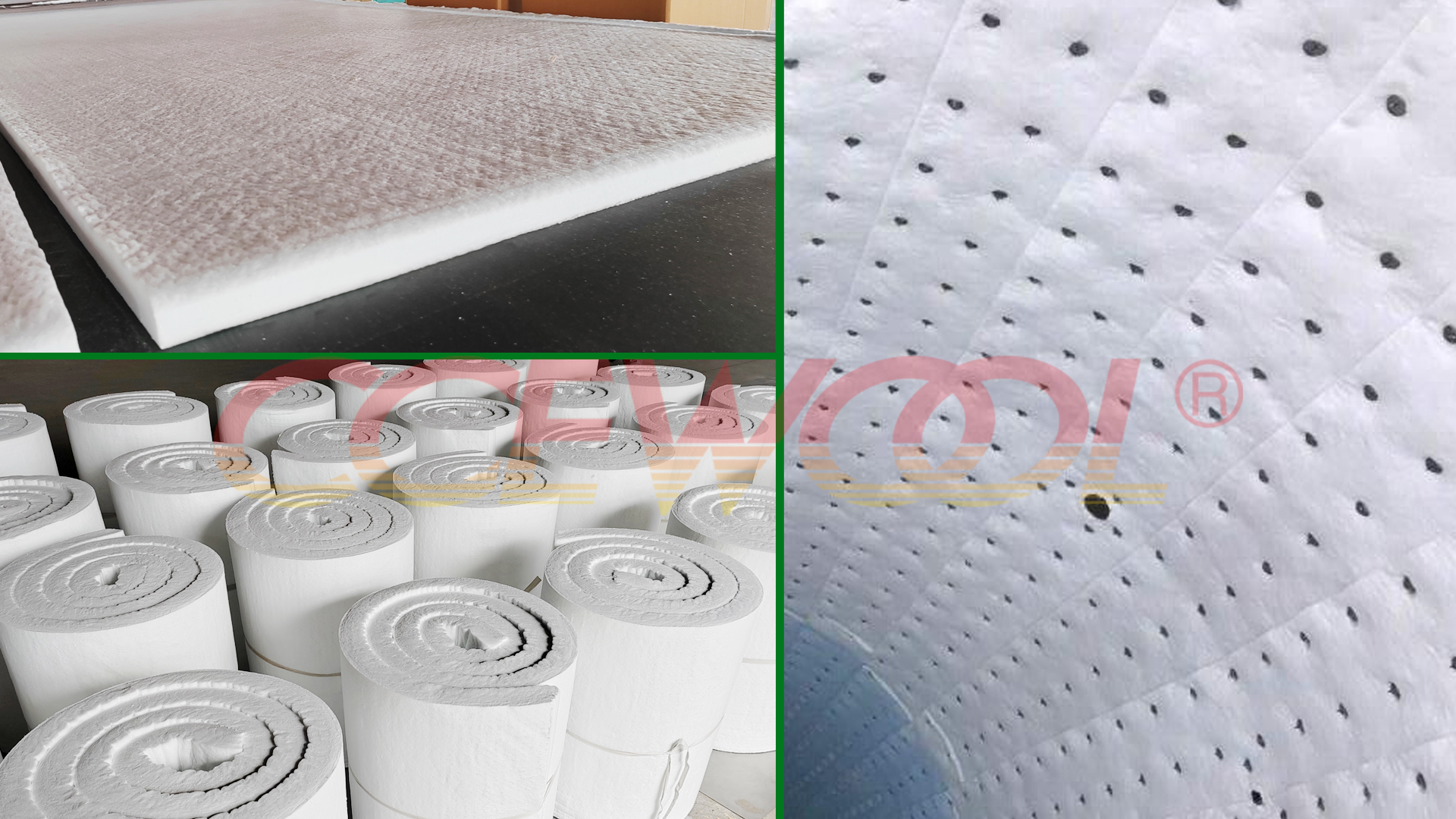
In high‑temperature equipment such as boilers and incinerators, insulation liners must withstand extreme conditions: intense heat radiation, frequent thermal cycling, and aggressive combustion gases. While traditional ceramic fiber insulation offers effective thermal resistance, it often suffers from dusting, fiber degradation, moisture absorption, and health hazards—drawbacks increasingly unacceptable, especially in North American and European markets.
CCEWOOL® bio soluble fiber blanket was developed as a cleaner, safer, and more durable alternative tailored for eco‑friendly thermal systems. Not only does it deliver excellent heat insulation, but it also offers enhanced installation safety and full compliance with environmental regulations—improving system reliability while reducing operating costs.
Eco‑Friendly & Biodegradable
Made from alkaline earth silicate (AES) materials, the CCEWOOL® bio soluble fiber blanket contains no asbestos or harmful fibers. It naturally dissolves in human tissue, passing EU and North American health and environmental standards—ideal for workplaces with strict safety requirements.
Exceptional Thermal Stability
The blanket resists temperatures up to 1100 °C (short‑term to 1200 °C) and shows excellent resistance to thermal shock. It holds its form during rapid temperature changes, startup cycles, and intermittent use, lasting significantly longer than traditional insulation and requiring less maintenance.
Dust‑Free, Easy Installation
With a smooth, clean fiber structure and uniform density, CCEWOOL® bio soluble fiber blanket allow for clean, easy cutting and precise lining of complex or curved surfaces. The virtually dust‑free nature ensures a safer, cleaner work environment during handling and installation.
Application Benefits for Boilers & Incinerators
More Efficient Heat Usage
The low thermal conductivity keeps heat within the firebox, lowering shell temperatures by 20–40 °C and boosting thermal efficiency by over 8%, saving on fuel costs.
Stable & Clean Lining
The blanket retains structural integrity at high temps—no powdering or gaps—ensuring even temperature distribution and consistent processing results.
Longer Service Life, Lower Costs
With a service life 1.5–2 times longer than conventional ceramic fiber, it reduces downtime and replacement frequency, saving operational costs.
Brand Strength: Leading the Way in Sustainable Insulation
With over 20 years of R&D and manufacturing excellence in high-temperature materials, CCEWOOL® has developed a production process using ultra-pure inorganic AES raw materials and advanced fiber-spinning technology to ensure uniform fiber distribution and minimal slag formation. This enhances both cleanliness and thermal stability.
We also offer full traceability with customizable specifications—density, dimensions, packaging—ensuring each bio soluble fiber blanket meets exact client requirements and supports global efforts for cleaner, safer insulation solutions.


